Shopify down for much of Cyber Monday: a major blow for e-commerce businesses

Contents3
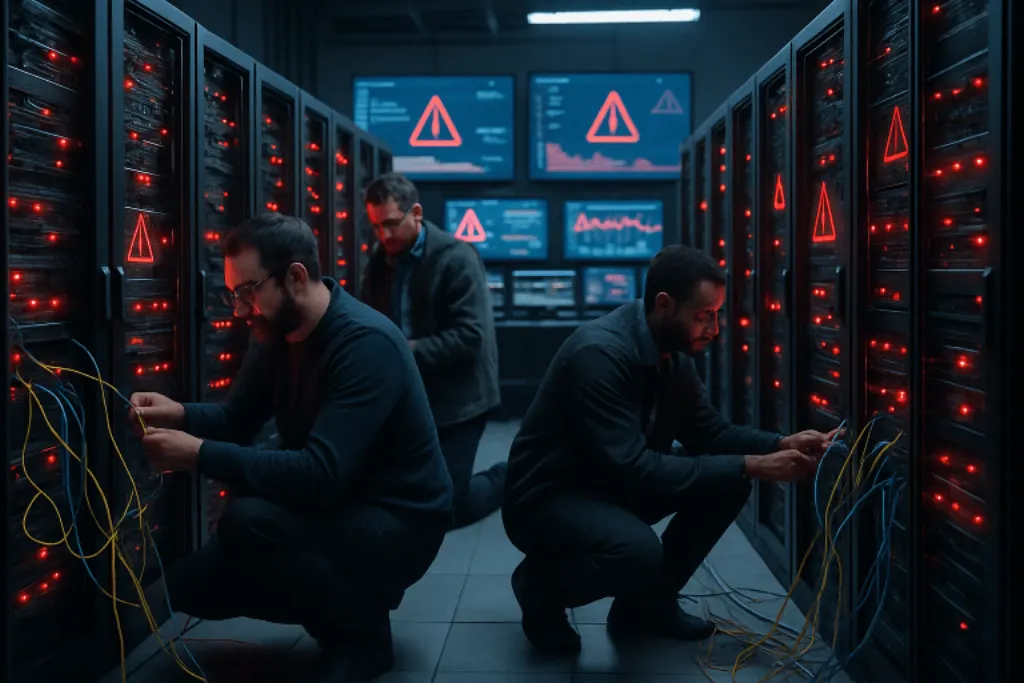
Cyber Monday, the unmissable event for e-commerce, was marked by an unexpected and destabilizing event: Shopify was down for several hours. This came as a shock to thousands of merchants who relied on the platform to manage the enormous volume of their online sales. Crucial systems such as administrative interfaces, APIs, and point-of-sale systems were affected, causinginterrupted traffic and considerable financial losses. This dramatic incident highlights the fragility of technological infrastructures in the face of demand spikes, while also underscoring the critical importance of contingency plans for e-commerce businesses. Thanks to a swift response, Shopify was able to gradually restore its services, but the economic impact has left lasting scars. Economic Consequences for E-tailers
Cyber Monday
is often considered the pinnacle of online commerce, even rivaling Black Friday in terms of sales volume. This year, however, the Shopify downtime caused significant disruptions. For many retailers, the outage resulted not only in disrupted transactions but also in a loss of consumer confidence. Indeed, in a world where every second counts, the platform’s unavailability during crucial hours led to sales losses that, according to some estimates, averaged $3,200 per affected store. Learn more about the timeline of events. https://technews.fr/2025/12/shopify-etait-en-panne-mises-a-jour-en-direct-sur-la-panne-du-cyber-monday.htmlAverage loss per retailer: $3,200.
- Reputational impact on businesses.
- Need for backup strategies for e-commerce systems.
- Analyzing the profile of the most affected businesses, it’s clear that SMEs suffered the greatest losses. Heavily reliant on Shopify for their checkout and inventory management processes, these companies saw their operations paralyzed. This is a stark reminder that, in e-commerce, system resilience is just as crucial as the attractiveness of the offers.
Business TypeEconomic Impact

**https://www.youtube.com/watch?v=wW75n1qxnJc**The checkout section of the platform experienced a significant degradation, but remained online thanks to internal backup protocols. The same was true for most storefronts, while POS systems saw a brief performance degradation before temporary solutions were implemented. https://fr.accio.com/blog/shopify-cyber-monday-2025-outage-4-hour-disruption-hits-retailers Learn more about the impact of this outage.
Initial error: Login authentication failure. API overload due to high demand. Backup protocols activated to keep checkout online. While Shopify successfully implemented rapid solutions to mitigate the impact, the incident highlighted the potential fragility of digital services that rely on centralized infrastructure. In the e-commerce sector, where every click can represent a sale, this outage underscored the need for an infrastructure that is both robust and flexible. Impacted ComponentSeverity
Authentication Critical4 hours
- API
- Medium
- 3 hours
POS Minor1 hour
The balance between physical and online retail is becoming not just a matter of strategy but of economic survival.

Redundancy of critical systems.
Proactive communication with customers during outages. Furthermore, the integration of advanced monitoring tools helps detect early signs of failure, allowing for proactive interventions before problems escalate significantly. For retailers, these strategies are a crucial step in protecting both their finances and their brand image. Contingency Strategy
Advantage Estimated Cost Hybrid Cloud Solutions
- Rapidly switch between infrastructures
- €10,000 – €20,000
- Monitoring Tools
Early Anomaly Detection
Continuous innovation and server upgrades. Training teams in crisis management protocols.
Strategic partnerships to expand platform capabilities.
In the long term, the adoption and integration of emerging technologies, such as artificial intelligence and blockchain, could strengthen operational resilience and offer automated solutions to current challenges. It is also imperative to invest in responsive talent capable of navigating critical situations, making crisis management an integral pillar of business strategy. Technology Potential Impact Implementation Time
Artificial Intelligence Automation and rapid anomaly detection1-2 years
- Blockchain
- Transaction transparency and security
- 2-3 years
Advanced Cloud Computing

Read next
 Shopify
Shopify Down During the Crowded Cyber Monday: What You Need to Know
Shopify Faces Technical Outages on Cyber Monday The event was expected to be one of the most lucrative of the year for
 Shopify
Shopify down: Everything we know about the Cyber Monday incident
Online commerce took an unexpected turn this Cyber Monday 2025. Shopify, the global e-commerce platform giant, was hit
 Shopify
Shopify outage during Cyber Monday: several businesses impacted
Major Incident: Shopify Outage During Cyber Monday December 1, 2025, will be etched in the memories of e-commerce merc
 Shopify
Shopify publishes its Black Friday e-commerce report and faces a major outage during Cyber Monday
The highly anticipated Black Friday and Cyber Monday period never fails to serve as a powerful barometer for global e-